
















Why Tulum Belongs in a World Cup 2026 Journey
In 2026, Mexico will host one of the world’s most anticipated events, drawing travelers from across continents for a shared moment of scale, movement, and collective energy. The FIFA World Cup 2026 brings intensity and excitement, yet for many travelers, the journey does not end when the final whistle blows. It continues in places that invite a different relationship with time, space, and experience.
Beyond the host stadiums, destinations like Tulum and the Riviera Maya offer a natural home base, where the momentum of match days gives way to restoration, exploration, and longer stays.
The Tournament as a Catalyst for Extended Travel
Major global events often serve as anchors for much broader journeys. Travelers planning trips around the tournament often use the occasion to explore more of the country, extending their time beyond host cities to experience destinations that offer depth, atmosphere, and contrast.
Rather than organizing travel solely around match schedules, many approach the tournament as one chapter within a longer story. At Conrad Tulum Riviera Maya, that shift in perspective finds a natural setting. Once already committed to crossing borders, the opportunity to experience another side of the country becomes part of the appeal.
FIFA World Cup 2026 Official tickets and match schedules are released through authorized platforms, alongside evolving host-city details. In Mexico, matches will take place in cities including Mexico City, where Estadio Banorte will serve as one of the tournament’s landmark venues.
Beyond the Matches: Rethinking the Journey
The pace of the tournament is defined by crowds, schedules, and spectacle. For some travelers, this creates a desire to balance intensity with destinations that allow for presence and reflection—not as an escape from the event, but as a complement to it.
Looking beyond the matches allows travelers to engage with Mexico differently. It shifts the focus from movement to stillness, from shared momentum to personal calm. Morning light filtering through palms, soft sand underfoot, and the rejuvenating powers of ocean air redirect the experience into quieter days.
This contrast often deepens the overall journey, giving space for meaning to settle once the energy of the event subsides.
Tulum as a Secluded Yet Connected Oasis
Tulum offers a rare sense of retreat that feels intentional rather than remote. Set between jungle and sea, it is shaped by light, landscape, and an atmosphere that encourages awareness and immersion.
This balance—seclusion without isolation—gives travelers the sense of having stepped away from the noise of the world without disconnecting from it entirely. Culture, cuisine, and regional exploration remain accessible, with the nearby Tulum International Airport allowing travel between urban energy and coastal stillness to feel seamless.
For those extending a broader Mexico journey, Tulum offers a distinctly unique lens into the country.
Designing a Journey That Goes Beyond the Matches
Traveling to Mexico for the World Cup is, for many, a rare and meaningful experience. Once there, some travelers choose to shape their journey around contrast rather than convenience, pairing the scale of the tournament with destinations that reveal a quieter dimension of the country.
Tulum is not connected to match attendance, and that distance becomes part of its appeal. Experiencing multiple environments, from urban stadiums to coastal landscapes, allows the journey to unfold across different rhythms, offering a more complete sense of place than a single destination alone. A short domestic flight from Mexico City places the coast within easy reach, making the transition feel natural.
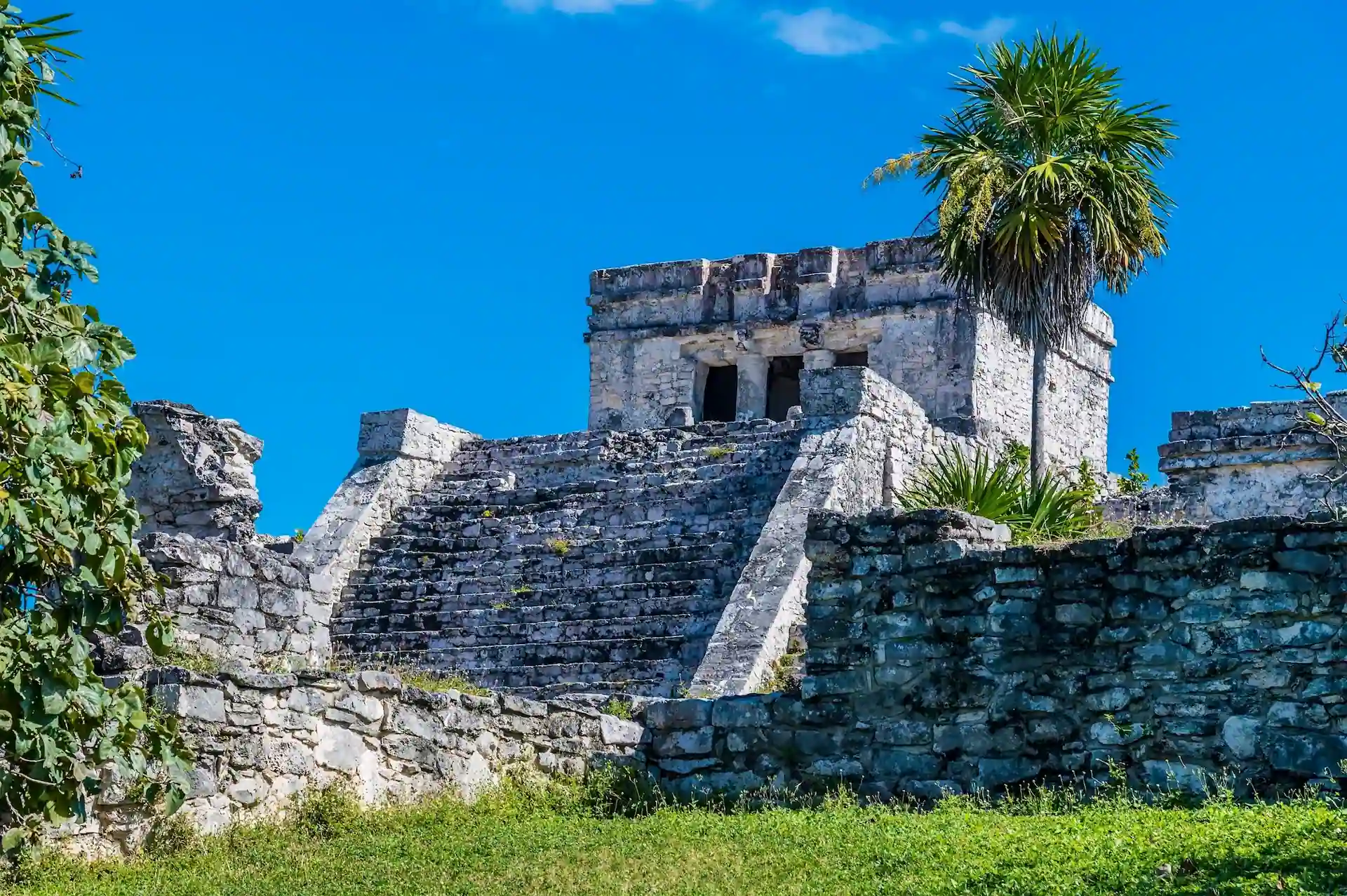
Beyond the coastline, Tulum also offers access to some of the Yucatán Peninsula’s most meaningful experiences. Travelers can explore nearby cenotes, where freshwater pools hidden within limestone caves invite quiet moments of reflection, or venture inland to Chichén Itzá, one of Mexico’s most significant archaeological sites. These experiences add cultural and natural depth to a World Cup journey, allowing travelers to engage with Mexico’s history and landscape in ways that feel deliberate and deeply connected to place.
Extending the Journey at Conrad Tulum Riviera Maya
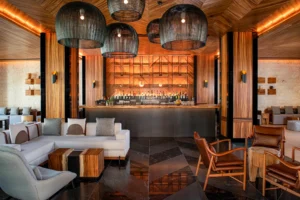
For travelers who choose to extend their time in Mexico beyond the World Cup, Conrad Tulum offers a deliberate next chapter of the journey. Architecture that blends into its natural surroundings frames spacious suites, many with private plunge pools that create a more personal rhythm of retreat. The Conrad Spa’s sixteen treatment rooms support restoration, while five pools and open-air pathways encourage time to move without structure.
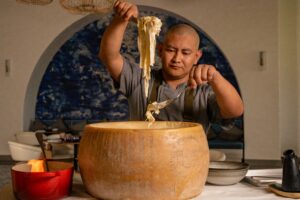
Culinary programming expands the experience through sommelier-led wine journeys, tequila tastings, and chef-driven dining across eleven restaurants and bars, each shaped by regional ingredients and a strong sense of place. Cultural experiences, from guided meditation to stargazing, introduce moments of connection that feel grounded in the destination.
Here, the journey shifts toward immersion, offering quieter moments, thoughtful design, and a sense of arrival that encourages stillness and tranquility rather than movement. It becomes a place to experience another side of Mexico, offering a well-rounded perspective that showcases the country’s depth and dimension.
*This site is not affiliated with FIFA or the tournament.
Frequently Asked Questions
Is Tulum a good destination to visit during the World Cup year in Mexico?
Yes. Many travelers choose to extend their World Cup trips by visiting destinations like Tulum, which offer contrast, immersion, and a different pace from host cities.
Can travelers combine World Cup trips with leisure stays in Tulum?
Absolutely. Travelers often plan multi-stop journeys, attending matches in host cities and then extending their stay in destinations focused on nature, culture, and experience.
How far is Tulum from Mexico’s World Cup host cities?
Tulum is not located near official World Cup host cities. It is typically visited as a separate leg of a broader Mexico itinerary rather than as a base for match attendance.
What makes Tulum appealing beyond major global events?
Tulum is known for its natural setting, design-forward experiences, and connection to culture and landscape, making it appealing regardless of global event timing.
*This site is not affiliated with FIFA or the tournament.